I design it, build it,and keep it running.
UI/UX for Toyota Research Institute, Cisco, Sysdig, John Deere and SAIC Motors — then I learned the rest of the stack. Ratchet AI: idea to App Store in about thirty days, solo.
Follow the dashed path 01 → 06. Click a stage label on the sphere, a sector, or a layer here.
00
Research & problem framing
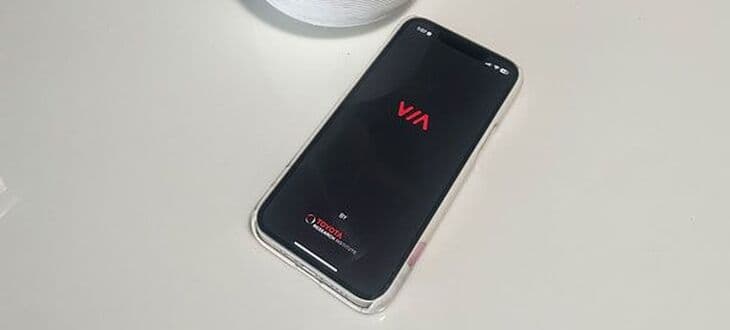
Fourteen years of this part: user journeys, stakeholder pain points, UX metrics with baselines. It is also where I kill my own ideas — Ratchet started as a post-modern sci-fi tuner interface, and the honest answer was that it needed to read as an AI app instead.
14 yrs
UI/UX practice
~30 days
Ratchet AI, idea to App Store
40+
Live OBD2 PIDs in Tuner Mode
1
People between you and the code
The register
Every product, its state, its stackRatchet AI
On the App Store
An AI mechanic. React Native iOS/Android app that pairs an OBD2 Bluetooth adapter with tier-based LLM diagnostics — DeepSeek V3 and Claude, voice interaction, hard safety gates on brakes and airbags, and a Tuner Mode logging 40+ live PIDs.
Woven Platform
Running, not a concept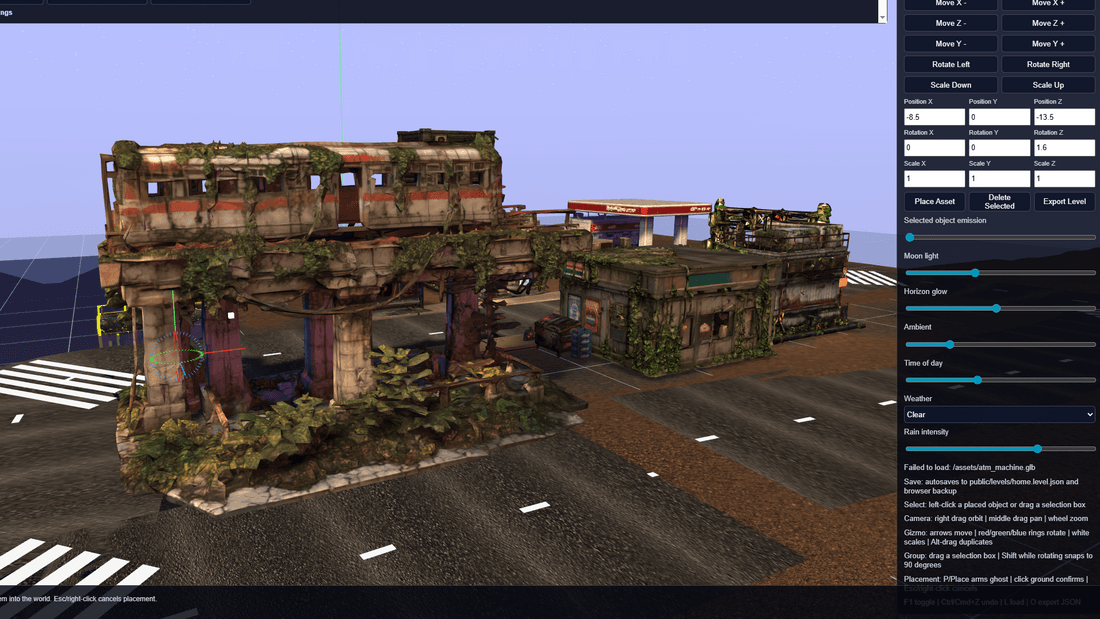
An AI-assisted 3D pipeline and world builder for the open web. Reference image → Trellis2 → automated Blender post-process → Draco compression → web-ready GLB, loaded straight into a browser world builder. No install, no ads, no dark patterns.
Lasso AI
In buildSend me the one-liner and the URL and this fills in. Placeholder copy stays off the page until you do.
Paladin
In buildSame — one line on what it does, where it runs, and what it's built on, and it joins the register properly.
Image in. Game asset out.
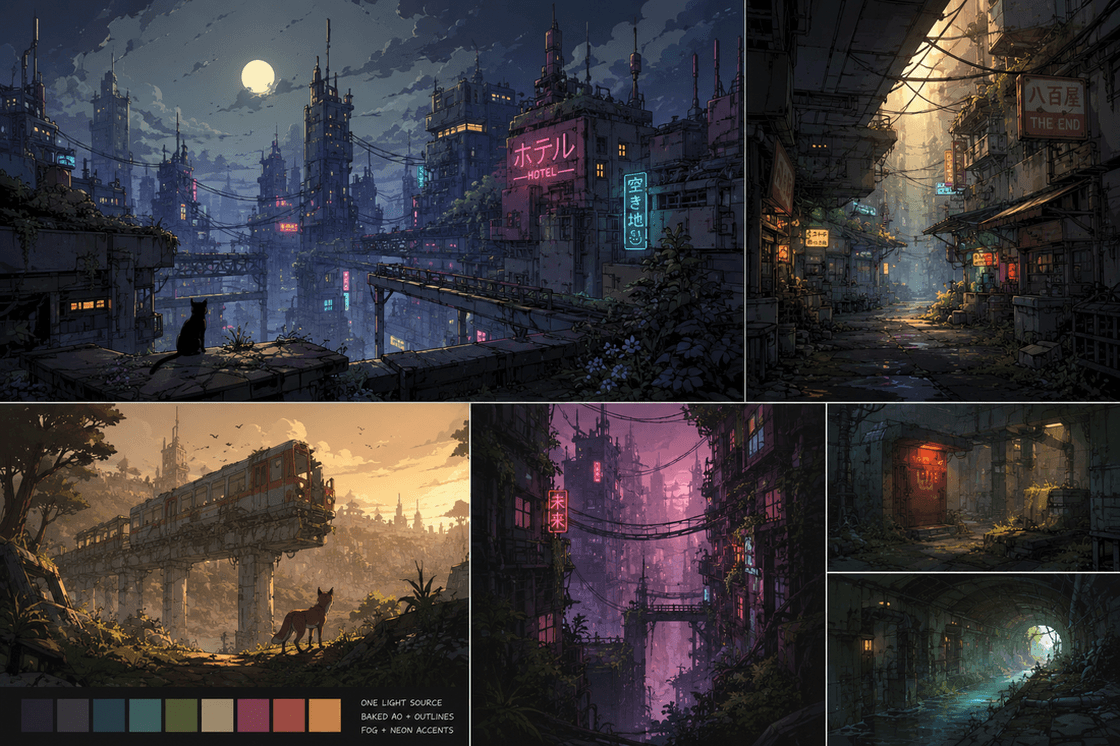
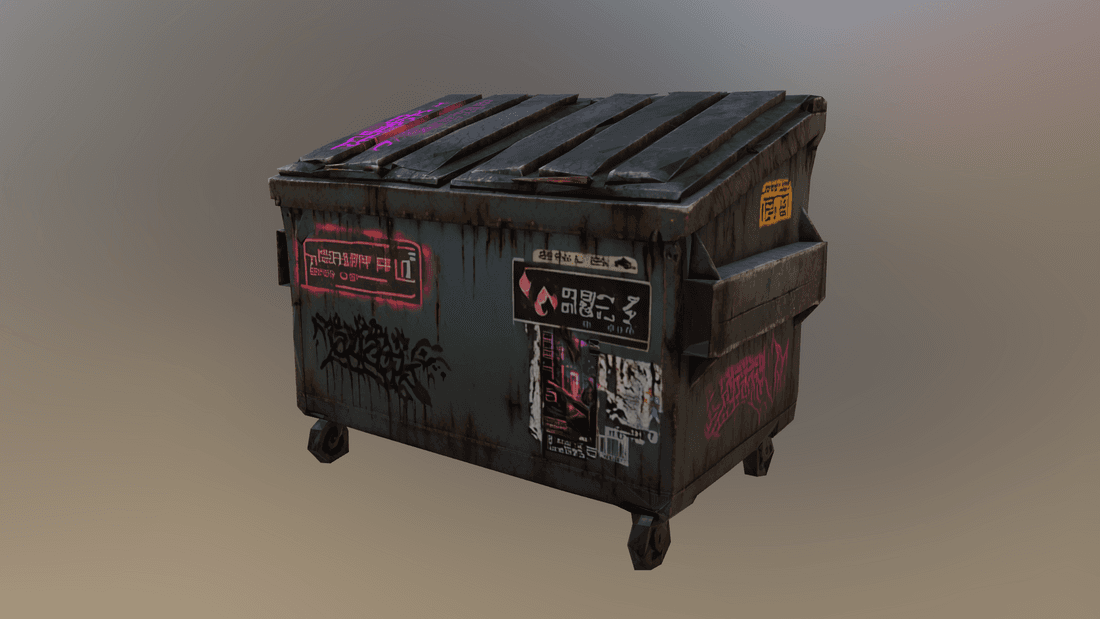
I was a 3D modeler at Disney Interactive a lifetime ago, so I can still poly-model — the question was whether an image-to-3D pipeline could carry a one-man studio. It can, with rules. Trellis2 infers back-face geometry from a single reference and stylizes faces convincingly; it also fails on interiors, tunnels and anything large with complex detail, and it won't optimize geometry the way a game artist would. So the pipeline is bounded to what it's actually good at: props, set dressing, and mood.
Works
Props and objects from a clean reference. Inferred back geometry that stays true to the design. Stylized characters in a relaxed or T pose.
Fails
Interiors and tunnels generated from inside. Text on surfaces. Large buildings, even at high polycount. Decimation with complex detail present.
Fix
Prompt the source image for 3D generation, not for looks. Go high-poly then compress with Draco rather than asking the model to go low. Hand-model the hero assets.
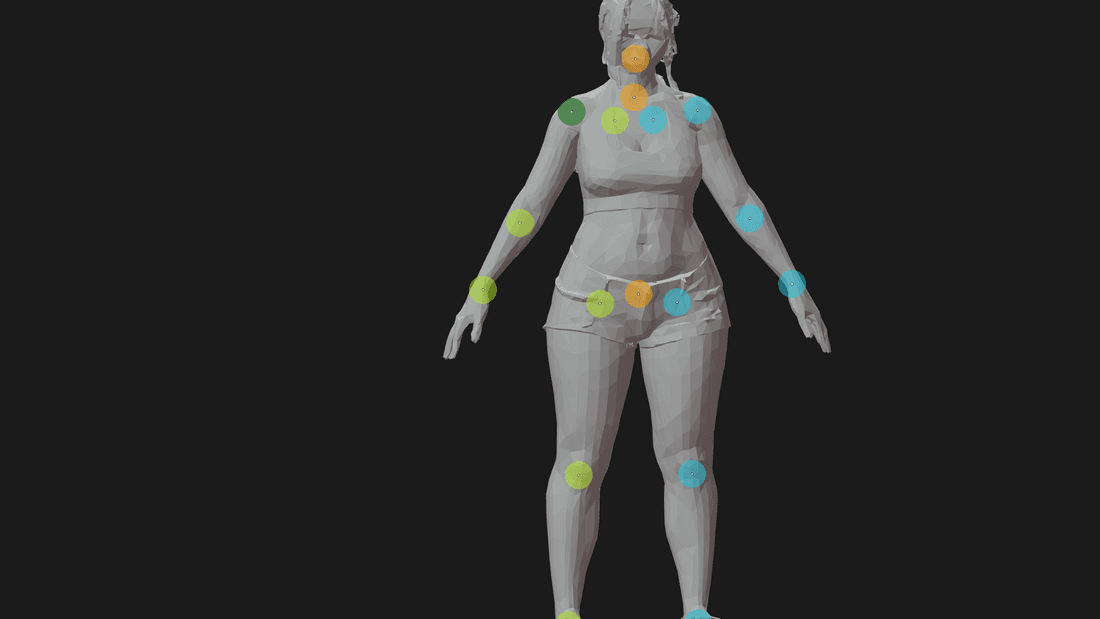
Mesh Sculptor
Screen grab pending.
Mesh Painter
Screen grab pending.
Shaderade
Screen grab pending.
Track record
Where the fourteen years went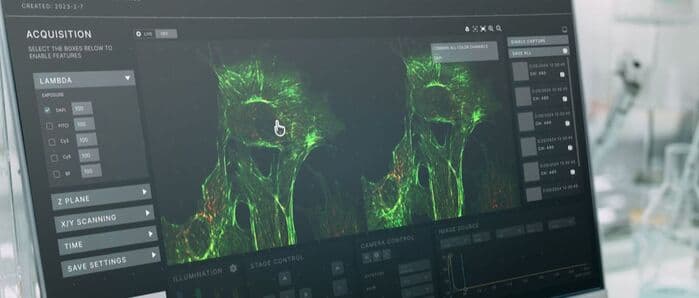
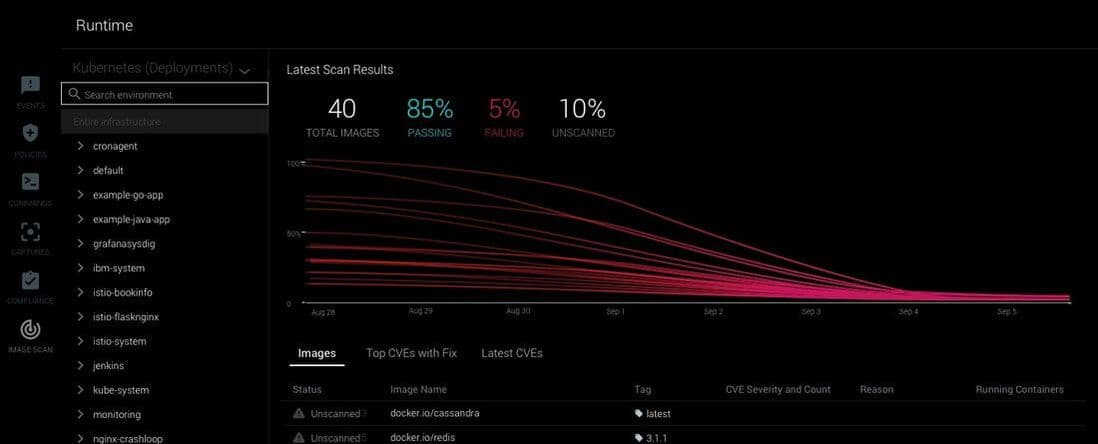
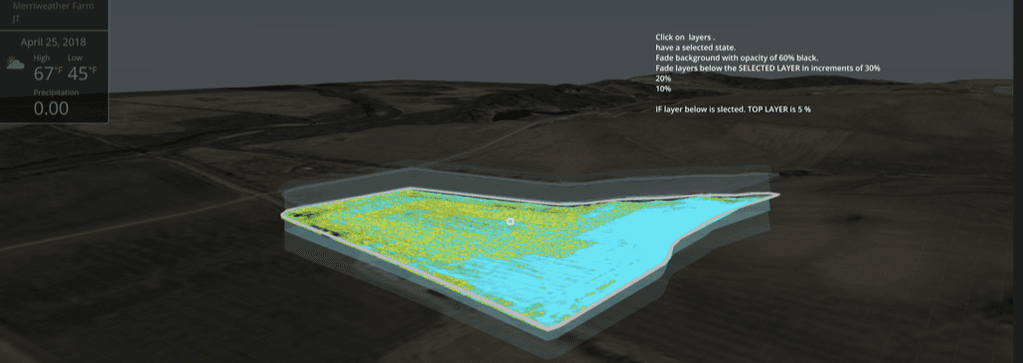
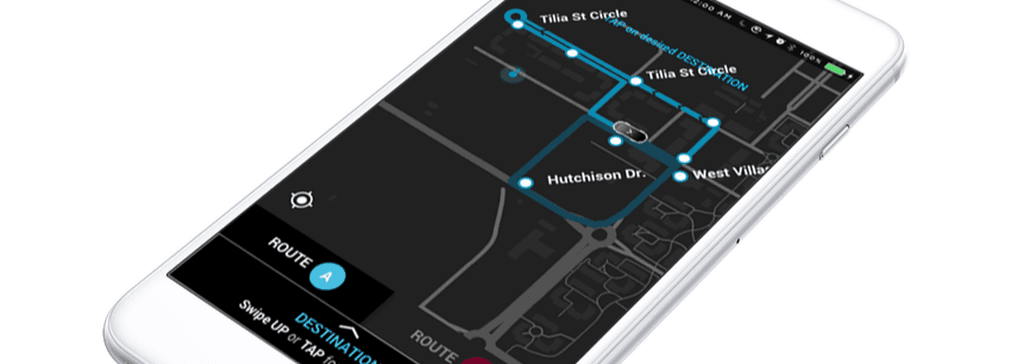
Full case studies live on marktsedesign.com — the archive stays up.
marktse.net 2010
Early 3D models, concept art & UI systems from Disney Interactive, Nexon M, and indie game prototypes. Preserved directly from the original legacy portfolio.
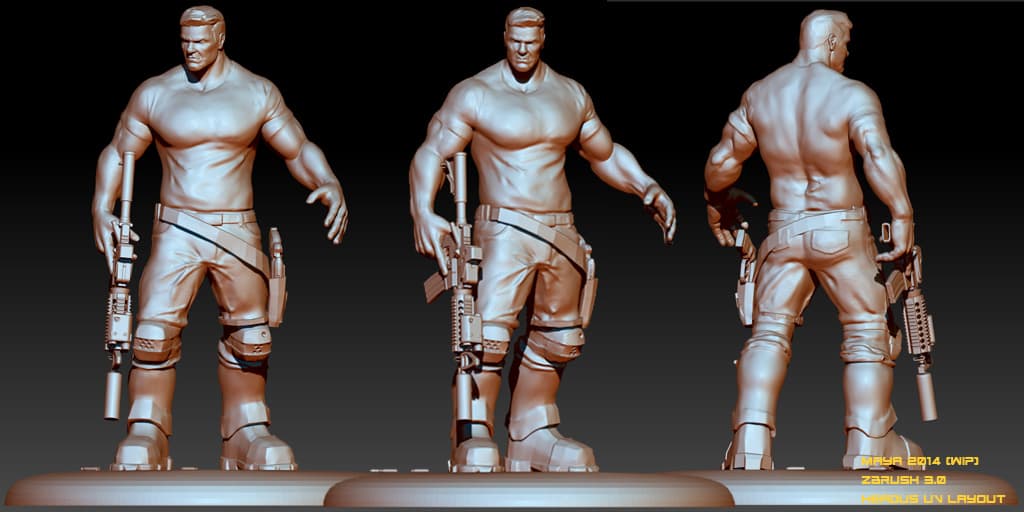
3D Brute Character
Full body sculpt and high-to-low poly modeling in 3ds Max & ZBrush.
Design to dev, complete
A business problem in, a shipped application out. Research, visual design, app, backend, store submission, payments, analytics. Same scope I run on my own products.
Dev-as-a-service subscription
A monthly slot on my calendar instead of a project. Pause anytime, renew anytime. Best for founders who need continuous shipping, not a one-off handoff.
AI & 3D specialist work
LLM product surfaces, inference UX, data visualization, and web 3D pipelines. The work TRI, Sysdig, John Deere and OmniAb hired me for, now with the build attached.
You're a designer. Can you really build it?
Ratchet AI is on the App Store: React Native app, Node backend, Stripe web payments, RevenueCat IAP, PostHog analytics. Designed, written and submitted by me in about thirty days.
Do you use AI to write the code?
Yes — Claude Code and Codex, in plan mode, with me reading every diff. You still have to be a designer first: AI kills the polish tax, not the thinking. Wrong flow built fast is still a wrong flow.
Who owns the code?
You do. Your repo, your cloud, your app-store accounts, your domain. Nothing proprietary of mine sits in the middle and nothing makes leaving expensive.
What happens if you get hit by a bus?
Everything is documented and standard — React Native, Node, Postgres, Vercel, Figma. A competent contractor can pick it up cold. That's a design constraint, not an afterthought.
Will you take on design-only work?
Rarely, and only where someone credible is building. Screens nobody shipped are why this studio exists.
How fast can you start?
One build runs at a time. Scoping calls this week; subscription slots open month to month.
Tell me what should exist.I'll tell you what it takes.
A paragraph is enough to start. You get a real answer from the person who would design it, build it and submit it — scope, rough number, and whether I'm the wrong choice.